
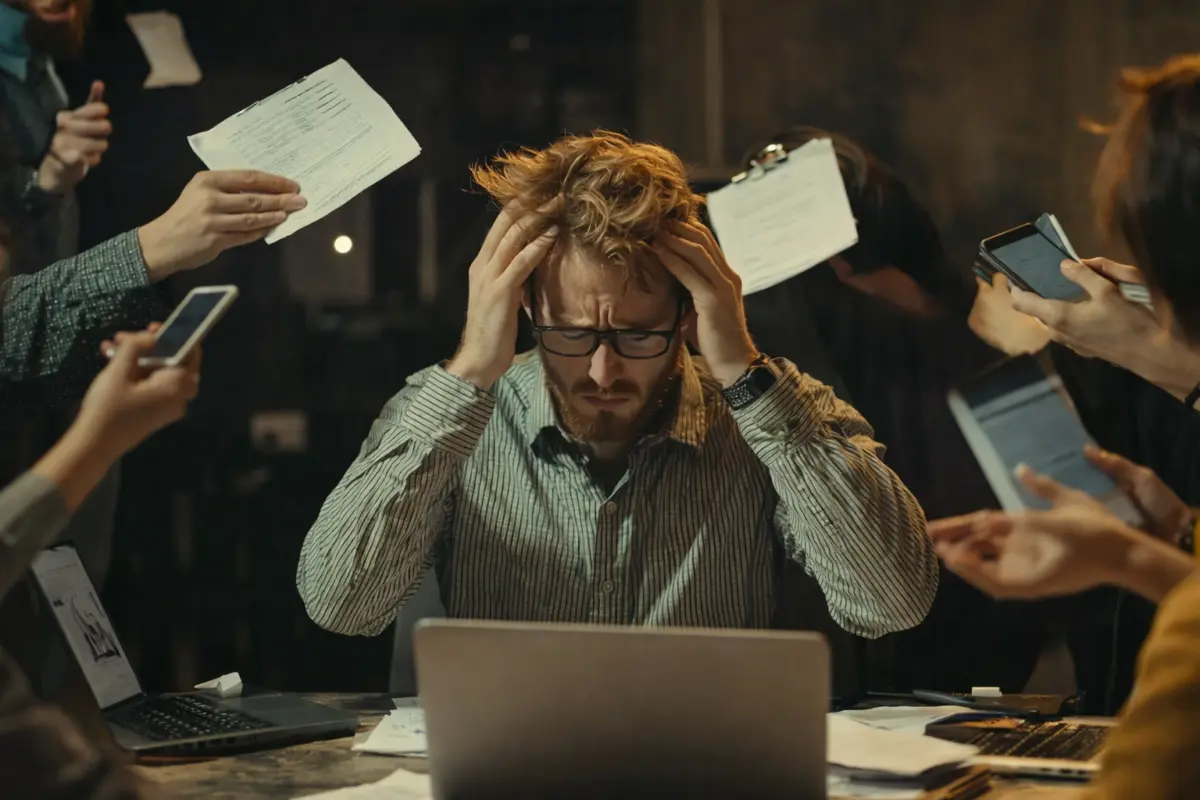
The modern news cycle moves faster than ever. With smartphones, social media alerts, and 24-hour news coverage, people receive updates about global events almost instantly. While staying informed is important, constant exposure to breaking news can also have psychological consequences.
Researchers increasingly warn that excessive news consumption can contribute to anxiety, emotional stress, and mental fatigue. In a world where major events unfold in real time, many people are discovering that continuous updates can become overwhelming.
The Rise of the 24-Hour News Cycle
Over the past two decades, digital technology has dramatically changed how people consume news. Television networks, mobile apps, and social media platforms now deliver information immediately through push notifications and live updates.
This constant flow of information means many people rarely disconnect from global events. Headlines about economic uncertainty, natural disasters, political conflicts, or public health concerns can appear on screens throughout the day.
According to the American Psychological Association report on media overload, psychologists have observed rising levels of stress among individuals who feel overwhelmed by the amount of news they consume daily.
How Negative News Affects the Brain
One reason breaking news can trigger anxiety is that the human brain naturally pays more attention to threats than neutral information. Psychologists call this the “negativity bias,” a tendency that evolved to help humans respond quickly to danger.
When people repeatedly encounter stories about disasters or crises, the brain may react as if those threats are immediate, even if they occur far away.
Research discussed in a Health Communication study on news exposure found that even brief exposure to negative news content can increase feelings of anxiety and sadness shortly afterward.
Over time, repeated exposure to stressful headlines may contribute to elevated stress levels and emotional fatigue.
Information Overload and Mental Fatigue
Another major issue is information overload. With news updates appearing across multiple platforms throughout the day, people often struggle to process the constant stream of information.
Psychologists note that when the brain receives too much information in a short period of time, it can lead to mental fatigue. Concentration becomes more difficult, decision-making slows down, and emotional exhaustion can increase.
A global survey from the Reuters Institute Digital News Report found that around 64% of respondents say the amount of news available today makes them feel worn out or overloaded.
The “Doomscrolling” Habit
Another behavior connected to modern news consumption is “doomscrolling.” This term describes the habit of continuously scrolling through negative or alarming news stories on phones or social media feeds.
Many digital platforms prioritize emotionally intense content because it attracts more attention and engagement. As a result, users may encounter multiple distressing headlines within a short period of time.
Mental health organizations note that repeated exposure to stressful news stories can increase anxiety and emotional fatigue, as discussed by the Canadian Mental Health Association.
Why Some People Are More Sensitive to News Stress
Not everyone reacts to breaking news in the same way. Some individuals are more sensitive to constant news exposure than others.
Several factors may increase vulnerability, including:
• frequent smartphone notifications
• heavy social media usage
• existing stress or anxiety
• extended exposure to crisis-related news
Medical experts also warn that constant coverage of stressful global events can overwhelm the body’s stress response system, as explained by the Mayo Clinic guidance on media stress.
Finding a Healthier Balance
Experts generally do not recommend completely avoiding the news. Instead, they suggest building healthier habits around how information is consumed.
Some useful strategies include:
• limiting news consumption to specific times during the day
• turning off unnecessary breaking-news notifications
• avoiding news consumption right before sleep
• balancing serious news with neutral or positive content
These habits can help people stay informed without becoming emotionally overwhelmed.
Staying Informed Without Becoming Overloaded
In today’s digital environment, access to information is greater than ever before. While breaking news allows people to stay aware of important events around the world, constant exposure to stressful headlines may affect emotional well-being.
Understanding how continuous news consumption influences mental health allows individuals to develop healthier media habits. By setting boundaries around news exposure, people can remain informed while protecting their mental energy in an era of nonstop information.