
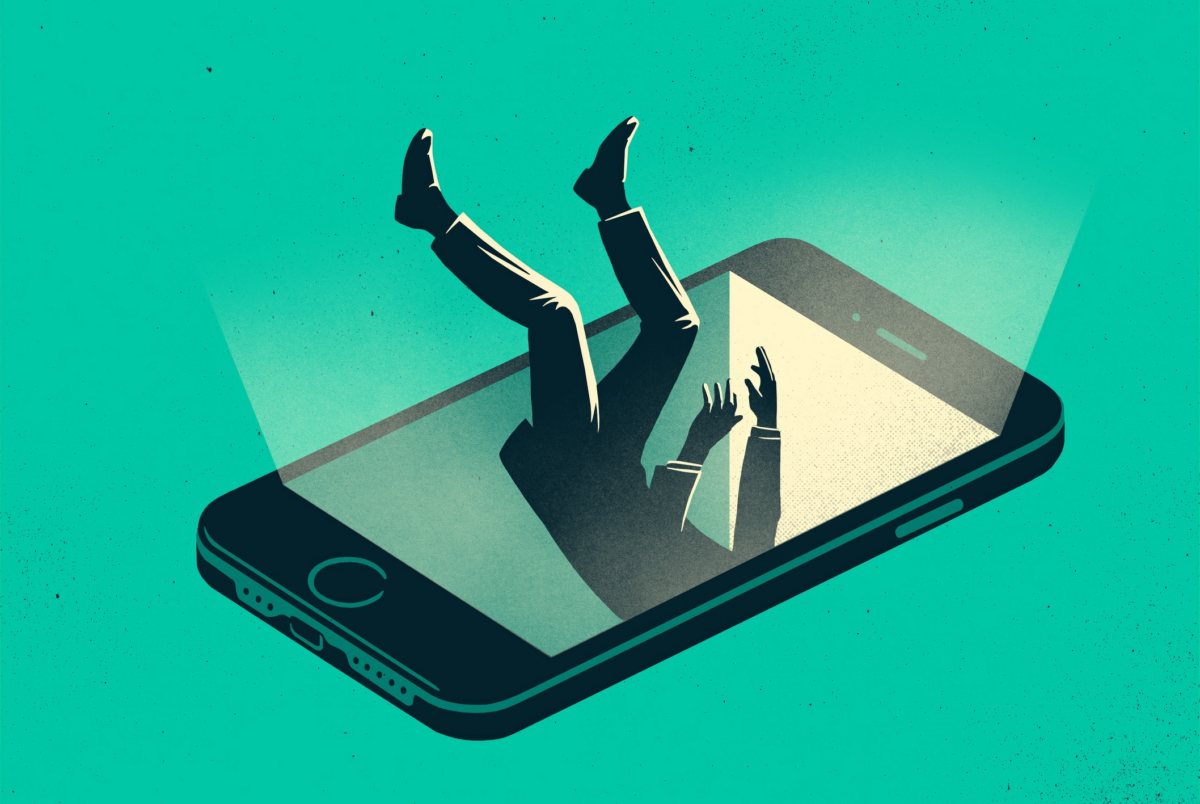
In the digital era, news is everywhere. Smartphones, social media feeds, television broadcasts, and news apps deliver updates almost every minute. While staying informed helps people understand the world, constant exposure to breaking news can also create emotional stress.
Psychologists increasingly warn that excessive news consumption may contribute to anxiety, mental fatigue, and feelings of helplessness. Because modern news coverage often focuses on crises, conflict, and economic uncertainty, people may experience stress even when events are happening far away.
For many individuals, learning to limit news exposure can significantly improve mental well-being.
Why Constant News Can Increase Anxiety
Human psychology plays an important role in how people react to news. The brain is naturally wired to notice threats and negative information more quickly than neutral content.
When people repeatedly see headlines about disasters, political conflict, or global crises, the brain may interpret those stories as immediate dangers. Over time, this repeated exposure can trigger stress responses similar to real-life threats.
According to the American Psychological Association, people who consume large amounts of news often report higher levels of stress and emotional exhaustion.
Because news is now available 24 hours a day, it has become much harder for individuals to mentally disconnect from global events.
The Doomscrolling Problem
A behavior closely linked to modern news consumption is “doomscrolling.” This term describes repeatedly scrolling through negative or alarming news stories, usually on smartphones or social media platforms.
Doomscrolling often happens late at night or during moments of boredom. Because digital platforms tend to promote emotionally intense content, users may quickly encounter dozens of stressful headlines in a short period of time.
Research discussed in Harvard Health Publishing explains that doomscrolling can reinforce anxiety and increase feelings of uncertainty.
Over time, this pattern can lead to emotional fatigue and reduced overall well-being.
Information Overload and Mental Fatigue
Another challenge created by modern media is information overload. People today receive an enormous amount of information every day, much of it arriving through notifications, social media updates, and news alerts.
When the brain receives too much information, it becomes harder to concentrate and process new ideas. Mental health experts say this can lead to symptoms such as:
• difficulty focusing on tasks
• increased irritability
• emotional exhaustion
• trouble sleeping
• reduced motivation
Information overload can make people feel mentally drained even if they have not spent many hours actively reading the news.
Why Limiting News Consumption Helps
Reducing the amount of news consumed each day can help restore emotional balance. When people take breaks from constant news exposure, the brain has time to relax and recover.
Limiting news consumption can lead to several positive changes:
• lower stress levels
• improved mood
• better concentration
• increased productivity
• healthier sleep patterns
Importantly, limiting news does not mean ignoring important global events. Instead, it means creating healthier boundaries around when and how news is consumed.
Practical Ways to Reduce News Stress
Mental health professionals often recommend a few simple strategies that can help people stay informed without becoming overwhelmed.
Check news at specific times
Reading news once or twice a day can prevent constant exposure to stressful headlines.
Turn off breaking-news notifications
Many people receive dozens of alerts each day. Disabling unnecessary notifications can significantly reduce mental overload.
Avoid news late at night
Reading stressful stories before bed can make it harder to fall asleep and relax.
Balance news with positive activities
Spending time on hobbies, exercise, or social interaction helps counterbalance the emotional impact of negative news.
A Healthier Relationship With Information
News plays an important role in society. It helps people understand global events, political decisions, and economic changes. However, constant exposure to breaking news can sometimes create more stress than clarity.
By limiting news consumption and setting healthier digital boundaries, individuals can stay informed while protecting their mental health.
In a world where information never stops flowing, learning when to disconnect may be one of the most important habits for maintaining emotional balance.