
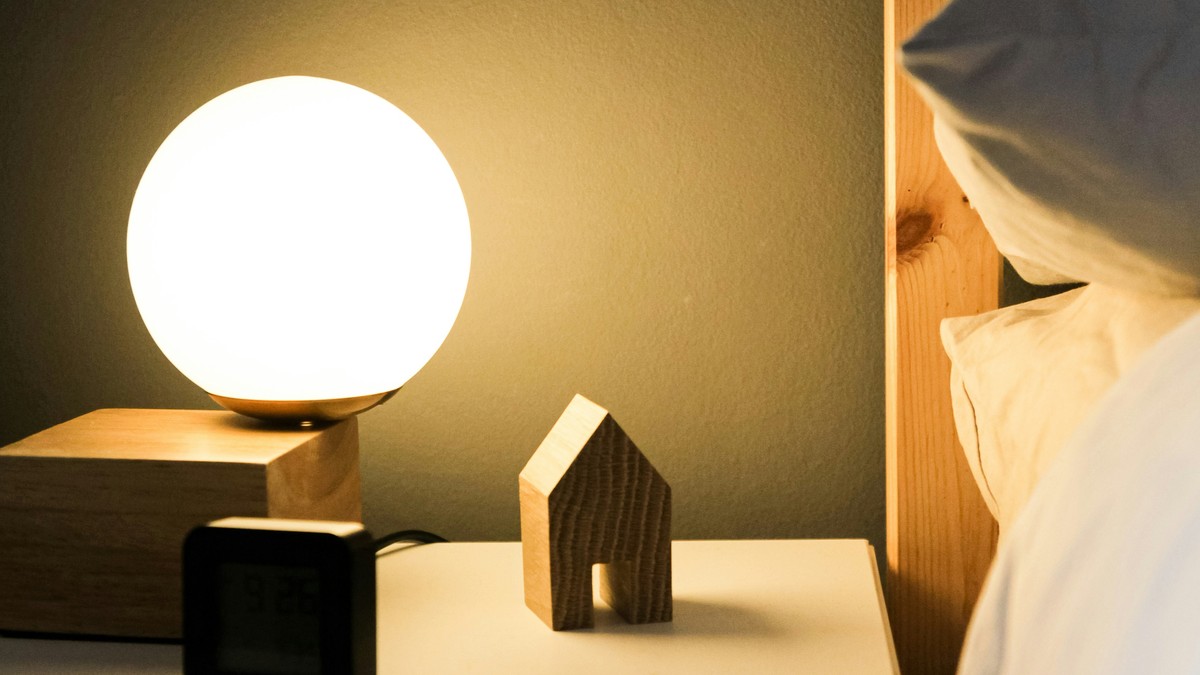
Sleep problems often start before bed. A mind that has been taking in information all day messages, decisions, screens, noise does not switch off instantly when the lights go out. A short, consistent wind-down routine signals safety to the nervous system and gives the brain a simple path from alertness to rest. Ten minutes is enough when the steps are specific and repeatable.
Set the room for sleep (60 seconds)
Environment acts like a silent instruction to the body. Small adjustments reduce the cues that keep the brain on “day mode”.
- Dim lights and reduce overhead brightness.
- Lower screen intensity or put screens away entirely.
- Set the bedroom slightly cool if possible.
- Place water and anything needed for the night within reach.
- Reduce “visual noise” (clutter piles, bright laundry, busy surfaces) so the room reads as calm.
If the mind associates the bed with worry, avoid doing stimulating activities (work, intense conversations, problem-solving) in bed. Keep the bed as a cue for rest.
Step 1: One-minute mental unload
Many people struggle to sleep because the brain is trying to remember unfinished tasks. A quick external capture tells the brain it can stop rehearsing.
- Write three unfinished tasks as short bullet points.
- Write one next action for each (small and concrete).
- Write one “tomorrow anchor”: the first time block when these will be revisited.
- Write one reassurance line: “This is captured. It can wait until tomorrow.”
Keep the list out of bed, such as on a desk or kitchen counter, so the bed stays linked to sleep rather than planning. If thoughts keep returning, add them to the list once, then stop negotiating with them.
Step 2: Two minutes of breathing to downshift
Breathing is a direct lever on physiological arousal. The aim is not to force sleep, but to shift the body toward parasympathetic “rest and digest”.
- Inhale through the nose for 4.
- Exhale slowly for 6.
- Repeat for about 10 breaths.
If counting feels irritating, simply make the exhale longer than the inhale. A longer exhale is the key cue. If the chest feels tight, place one hand on the belly and let it rise gently; shallow breathing can keep the body in alert mode.
Step 3: Five minutes of gentle body scan
The mind often stays busy because the body is tense. A body scan turns attention from thoughts to sensations and helps muscles release. Think of it as “switching channels” rather than trying to erase thoughts.
- Start at the forehead and jaw: soften the tongue and unclench teeth.
- Move to shoulders: lift slightly on an inhale, drop on an exhale.
- Scan chest and belly: notice rising and falling, no need to change it.
- Scan hands and arms: loosen fingers and let elbows feel heavy.
- Scan hips and legs: relax thighs, soften knees, release calves.
- Finish at the feet: let toes spread and then rest.
When thoughts interrupt, label them simply (“planning”, “remembering”, “judging”) and return to the body. The return is the practice. If the body feels restless, add a brief tension-release: gently tense one muscle group for two seconds, then let it go.
Step 4: Two minutes of “closing” language
Many brains respond well to a simple closing ritual: a phrase that marks the day as complete. This reduces late-night problem solving and gives the mind a boundary.
- Say quietly: “The day is done.”
- Add: “Nothing needs to be solved tonight.”
- Name one specific good detail from the day (a conversation, a meal, a moment outside).
- If anxiety is present, add: “The next step will be taken tomorrow.”
This is not forced positivity. It is a way to prevent the mind from scanning only for problems right as sleep should begin.
If sleep still does not come
A wind-down routine improves the odds, but it cannot guarantee immediate sleep. When the brain stays alert, avoid turning the bed into a place of frustration.
- If awake for a long time, get up briefly and do a calm activity in low light (reading, stretching, gentle tidying).
- Avoid checking the clock repeatedly; it increases pressure and performance anxiety around sleep.
- Skip “catch-up” scrolling. It adds stimulation and usually prolongs wakefulness.
- Return to bed when drowsy, then repeat the breathing step for a minute.
It can also help to reduce “sleep effort”. Instead of demanding sleep, aim for rest: “The body can rest even if sleep is delayed.” This removes pressure, which often makes sleep easier.
Persistent insomnia can be linked to anxiety, depression, medical conditions, pain, or medications. If sleep problems are ongoing, consult a qualified health professional.
Next steps (make it easy to repeat)
Set up a small “wind-down station” with a notebook and pen, and choose a fixed start time for the routine (for example, 10:20 pm). Follow the same sequence nightly for seven days: set the room, mental unload, breathing, body scan, closing language.
After a week, keep the parts that create the most relief and shorten anything that feels like a chore. Ten minutes of deliberate downshifting can turn bedtime from a wrestling match into a gentle transition.