
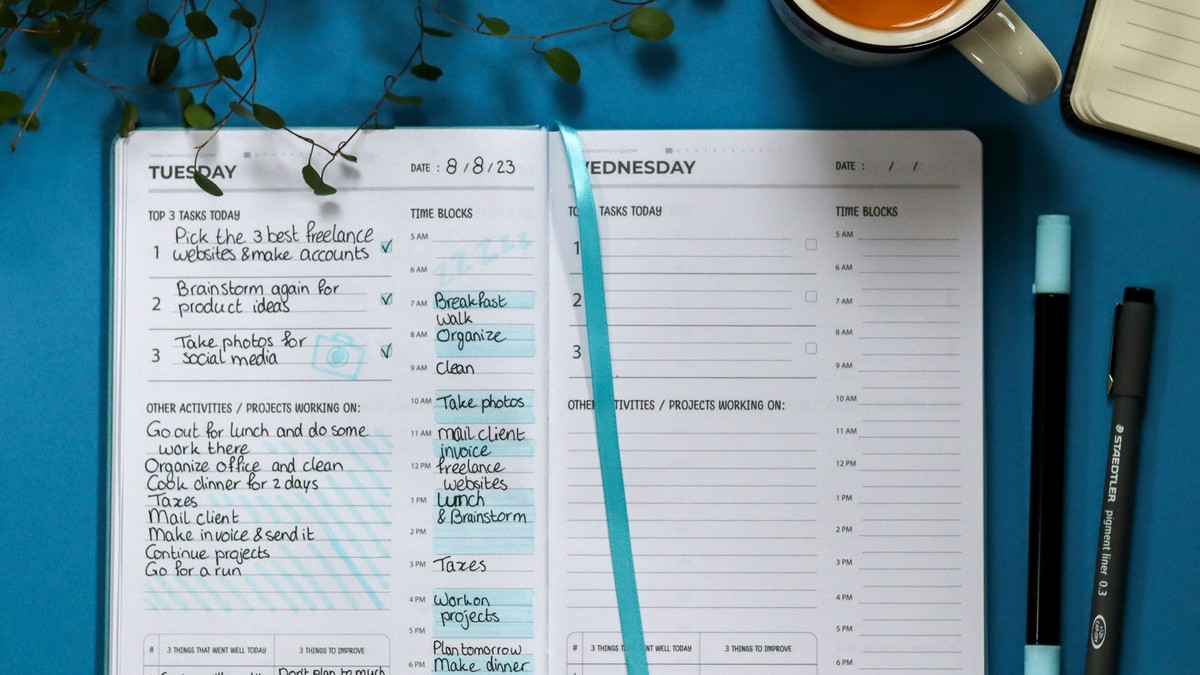
Journaling falls apart when it feels like homework. A routine sticks when it is short, specific, and easy to repeat. This setup uses one page a day and a simple structure that reduces decision fatigue.
Why Journaling Matters
The simple act of writing down your thoughts creates distance between you and your emotions, allowing you to observe them with greater objectivity. Journaling slows your mind, forces you to articulate vague feelings into concrete words, and helps you identify patterns in your thinking and behavior.
Regular journaling has been shown to reduce anxiety and depression, improve memory and cognitive function, boost emotional intelligence, and enhance overall mental health. Beyond the psychological benefits, journaling clarifies your values, tracks your growth over time, and creates a personal archive of your journey that you can revisit for perspective and encouragement.
Getting Started: There’s No Wrong Way
One of journaling’s greatest strengths is its flexibility. You don’t need expensive leather-bound notebooks, fancy pens, or perfect penmanship. You need only a willingness to be honest with yourself and commitment to showing up regularly.
Choose Your Format
- Free Writing: Unstructured stream of consciousness without self-editing
- Prompted Journaling: Respond to specific questions designed to spark reflection
- Gratitude Journaling: Focus on appreciating what’s working in your life
- Bullet Journaling: Mix notes, lists, and tracking in an organized visual format
- Art Journaling: Combine words with drawings, collage, and visual expression
- Digital Journaling: Type entries for convenience and searchability
Experiment with different formats until something resonates. Many people discover they prefer different approaches depending on their mood or what they’re processing on a particular day.
Establishing Your Practice
Find Your Time and Place
Consistency matters more than duration. Whether you journal for five minutes or fifty, commit to a regular time when you’re most likely to follow through. Morning journaling sets intentions for your day. Evening reflection processes the day’s experiences. Some people journal during transitions. Before bed, after meditation, or during their lunch break.
Choose a comfortable, distraction-free space where you feel safe being vulnerable. This becomes your journaling sanctuary, a place where your honest thoughts are protected and welcomed.
Start Small and Build
If you’re new to journaling, begin with just 5-10 minutes daily. Quality matters more than quantity. A few sincere, deeply felt sentences accomplish more than pages of surface-level writing. As the practice becomes habitual, you’ll naturally find yourself spending more time when you need it.
Effective Journaling Prompts and Techniques
Reflective Questions to Explore
- What emotions am I experiencing right now, and where are they coming from?
- What challenged me today, and what did I learn from that challenge?
- When did I feel most alive, present, and authentically myself recently?
- What beliefs about myself might be limiting my growth?
- What am I grateful for, even in difficult circumstances?
- If nothing could go wrong, what would I attempt?
- How do I want to show up in my relationships and work?
- What patterns do I keep repeating, and what would shift if I changed one thing?
The Brain Dump
When your mind feels cluttered and overwhelmed, use journaling as a thought dump. Write everything. Worries, to-do items, random thoughts, anxieties. Without organization or filtering. This clears mental space and often reveals what truly matters versus what’s just noise.
Letters You Never Send
Write letters to people you need to forgive, express complicated feelings to, or have unfinished business with. This isn’t about actually sending them; it’s about processing emotions and gaining clarity that might not be safe to express directly.
Future Self Conversations
Write as if you’re speaking to your future self one year, five years, or ten years from now. Ask what they want you to know now. Then switch perspective and write back from your future self to your present self. This technique clarifies goals and values remarkably quickly.
Deepening Your Practice Over Time
Track Patterns and Progress
Periodically review old journal entries. Notice recurring themes, how your perspective has evolved, and the progress you’ve made on goals. This reflection reinforces your growth and celebrates victories you might otherwise overlook.
Combine with Other Practices
Integrate journaling with meditation, yoga, or time in nature for deepened insight. Many people journal immediately after meditation when their mind is calm and receptive. Others process experiences in nature by journaling under a favorite tree or by water.
Create Rituals Around Your Practice
Light a candle, play calming music, brew tea, or create a small ceremony that signals to your mind and body that this time is sacred. Rituals anchor the practice, making it feel more meaningful and increasing consistency.
Overcoming Common Obstacles
Perfectionism: Journal entries don’t need to be eloquent or grammatically perfect. This isn’t creative writing; it’s authentic self-expression. Messy, raw entries are often the most valuable.
Not Knowing What to Write: Use prompts, begin with “Today I feel…” or “Right now I’m thinking about…” Let your pen guide you without forcing direction.
Inconsistency: If you miss a day, don’t judge yourself. Simply resume the next day. The practice is about self-compassion, not perfection or punishment.
Privacy Concerns: Keep your journal in a safe place. Use a journal with a lock if you prefer extra privacy. Knowing your thoughts are protected encourages greater honesty.
The Transformation Unfolds
Journaling’s true power emerges gradually, often subtly. Over weeks and months, you’ll notice greater emotional clarity, better decision-making, improved relationships through deeper self-understanding, and a stronger sense of purpose. You’ll catch negative thought patterns earlier, celebrate wins more consciously, and navigate challenges with more wisdom.
Begin Today
You don’t need any special equipment or experience to start journaling. Grab a pen and paper, find a quiet moment, and write what’s true for you right now. Your journal is waiting to become your most honest companion, your confidant, and your guide toward a more awakened, intentional life.