
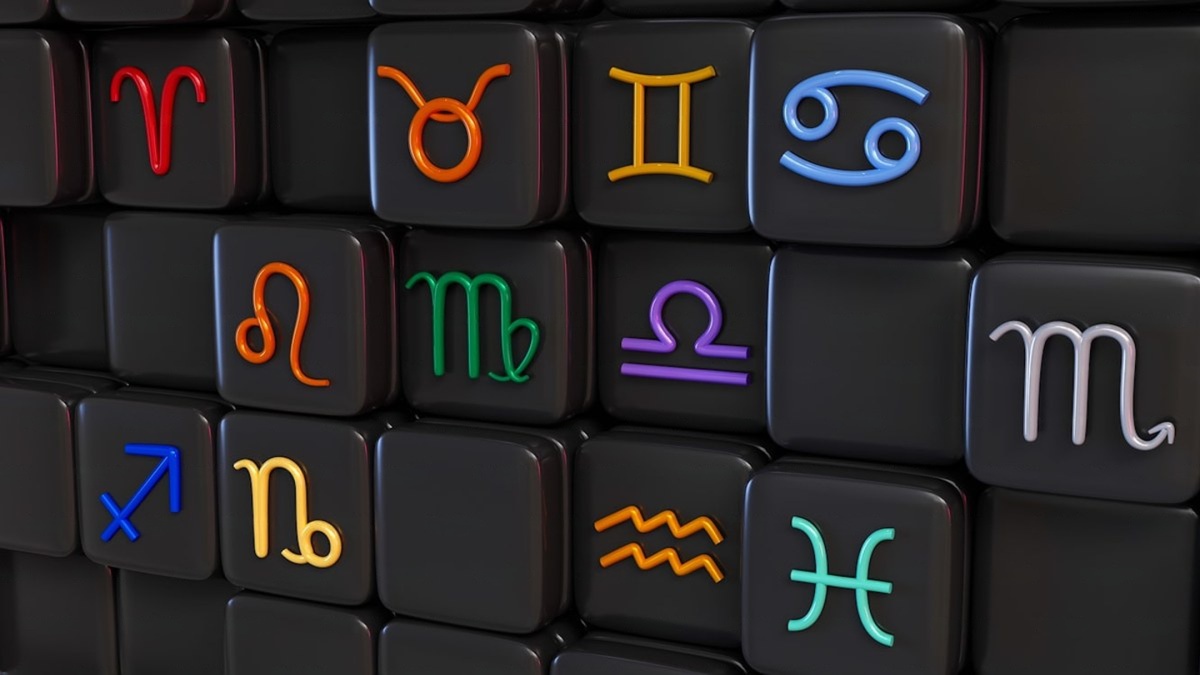
A birth chart can look overwhelming at first, but you don’t need to understand everything to get value.
When you read it in a clear order, astrology becomes a practical tool for self-awareness.
This guide walks you through a calm first reading you can do in one sitting.
A birth chart is a map with a lot of symbols, and it’s normal to feel lost at the beginning. The mistake many beginners make is trying to interpret every planet, every house, and every aspect all at once. That approach turns curiosity into confusion.
A better first reading is narrow and structured. You focus on a few high-impact pieces that give you a strong, usable picture. Then, as you live with that picture, you add layers.
Begin with the “Big Three”
Your Sun, Moon, and Rising sign (Ascendant) are often called the Big Three because they shape how you experience yourself and the world. They give you an immediate, relatable starting point.
Think of it like this: Sun is your core drive, Moon is your emotional needs, Rising is your approach and first impression. You don’t have to reduce yourself to a label. You’re looking for language that helps you notice patterns.
If you want a full beginner-friendly walkthrough of chart basics, Understanding your birth chart: a beginner’s guide to astrological self-discovery is a helpful reference to keep open as you explore.
Next: find the loudest house themes
Look for houses that contain multiple planets. These areas tend to become life themes because they carry more energy and attention. You don’t need to memorise all house meanings. Start with broad categories: relationships, work, home, learning, creativity, health.
Then ask: where do I spend most of my mental time? Where do I feel most tested? Where do I feel most alive? Let your lived experience be part of the reading.
Then: identify one or two strong aspects
Aspects are the angles between planets, and they describe how different parts of you interact. For a first reading, choose only one or two that stand out: tight aspects involving the Sun, Moon, or Ascendant ruler can be especially revealing.
When you read an aspect, avoid turning it into fate. Treat it as a dynamic. For example, a tense aspect can show a growth edge. A flowing aspect can show a natural strength that you might underuse because it feels normal.
Keep your reading grounded with journaling
The fastest way to turn astrology into self-awareness is to write your reflections in plain language. After you note a placement, write two short lines: how it shows up, and how you’d like to work with it more wisely.
- Placement: write it exactly (example: Moon in Taurus, 4th house).
- How it shows up: one honest observation from your life.
- How to support it: one simple habit or boundary.
- What to watch: one way it can go off-balance.
This method keeps the chart from becoming abstract. You are translating symbols into choices.
Use meditation to integrate what you learn
Insight is helpful, but integration is what changes your life. If a chart theme brings up anxiety, shame, or restlessness, a short calming practice can help you sit with it without spiralling.
5 ancient meditation techniques for modern stress relief offers simple options you can use after a reading, especially when you uncover a pattern you want to change gently.
Pair astrology with another reflective tool
Astrology is great for patterns and long arcs. Tarot is great for the mood of the moment and immediate self-reflection. If you like having both, Tarot for self-reflection complements chart work nicely because it gives you daily or weekly prompts that keep the insights alive.
A first-reading roadmap you can repeat
If you want a clear order that prevents overwhelm, follow this sequence each time you look at a chart:
1) Big Three
2) House emphasis (clusters)
3) One strong aspect
4) One practical habit to support the theme
You can do this in 20–30 minutes and still walk away with something meaningful.
What you’re really doing
You’re not trying to predict your future from a wheel of symbols. You’re building a language for self-observation. The chart becomes a prompt to notice what you do under stress, what you seek when you feel safe, and how you relate when you feel seen.
Over time, the chart becomes less mysterious. It turns into a personal map you can revisit when life changes. Start small, stay grounded, and let your lived experience be part of the interpretation.